Welcome to Fletcher Class!
All about our Class name
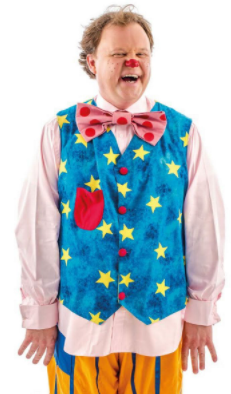
In Reception we have choosen to name our class after Justin Fletcher, an English Actor, Comedian and TV Presenter. Justin Fletcher is well known to the children in our class as 'Mr Tumble' from his television programme Something Special. Justin chose to name his show Something Special as he believes all children, irrespective of their learning and development, are all special. This is a key value for our school and class. Every child is valued, respected and celebrated as unique individuals.
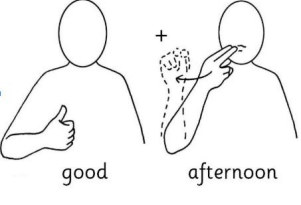
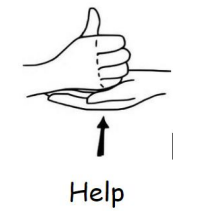
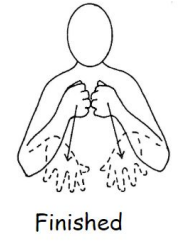
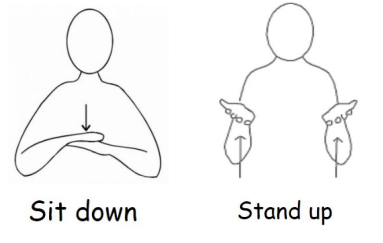
The children in Fletcher class will develop their Communication skills by learning early Mataton signs. These signs will be relevent to their everyday routine and will be promoted as natural forms of communication.





Welcome back to Summer Term 2!
I cannot believe we are in the final term of this year, where has the time gone?
This half term we are going to be having... FUN at the Seaside! We are going to be exploring the Seaside and delving into the Ocean to learn all about: Sea life, Shipwrecks! Mythical creatures and fossils!
We will be sharing our most memorable experiences from a holiday or day trip to the beach. And... We will be bringing the Seaside experience to Westwoodside CofE Primary Academy. We have a fun packed day planned with 'amusement' games, paddling pools, sand castle competitions and lots more!
We are going to have a 'Food from around the World' week, whereby the children will get to experience a range of different and unfamiliar foods and fruits. The children will have opportunities to discuss their opinions of the experience, and discuss which foods they think are healthy/unhealthy based on their prior learning. As we explore different countries: Italy, Africa, France, China and Poland, the children will 'have a go' at using basic cooking skills to make simple recipes.
Towards the end of this half term, the children will be preparing for their first BIG transition in school as they get ready to move to Year 1. We want to ensure the children are supported throughout this half term with this change to make it as smooth and as seamless as possible. To support the children's transition process, we are going to be following the topic 'Changing Me' in our Jigsaw PSHE sessions. The topic guides the children to understand that change can make us feel many emotions. It helps the children to identify that change can make us feel worried and sad, and that is ok! The children will start to recognise what to do when they are feeling this way and who to reach out to for extra support when needed. As well as this, change is also a celebration and together we will be celebrating each and every child’s achievements throughout this year!
We hope the children have a fantastic final half term!
Miss Lacey & Mrs Nothard
At Westwoodside we believe that the Foundation Stage is the key to giving children the best ‘foundation’ for their future learning. Our aim is to establish high standards of learning and behaviour in a caring, safe and welcoming environment. It is important that every child enjoys school and we believe that through collaborative learning, every child will feel a sense of belonging, and become the best version of themselves.
The Foundation Stage curriculum (EYFS) underpins all future learning by supporting, fostering, promoting and developing children’s positive attitudes and dispositions towards their learning. We instil the importance of storytelling and enjoy sharing a wide range of stories which supports multi-curricula links. We promote confidence in social skills whilst encouraging independence and perseverance.
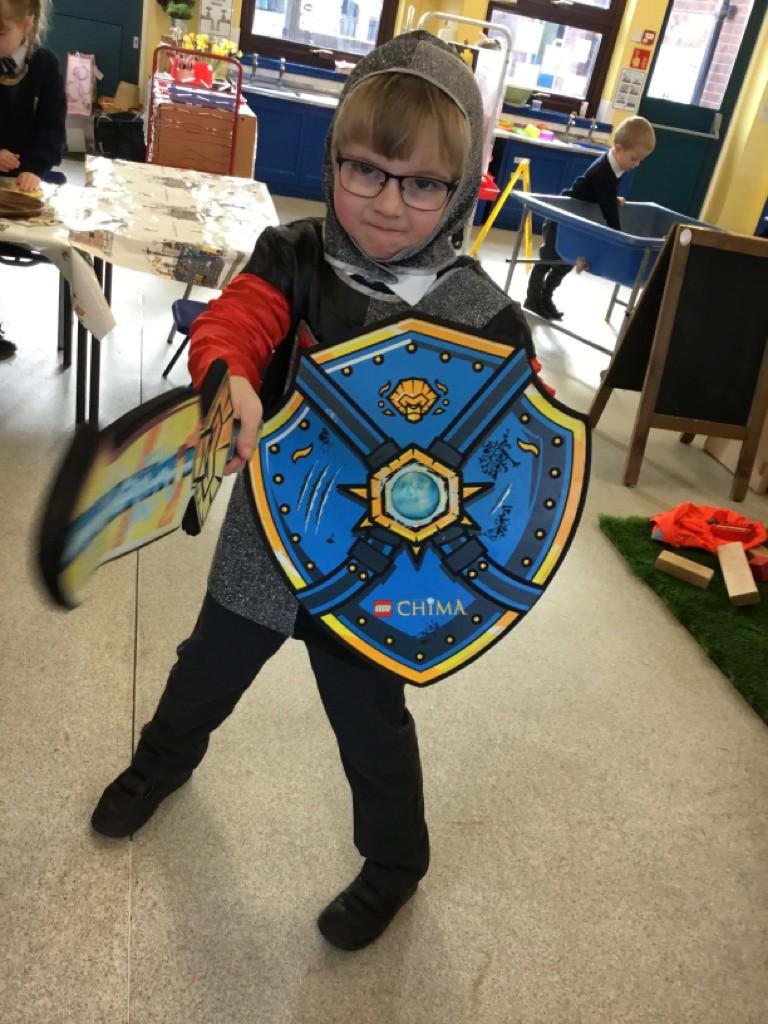
Our dedicated foundation stage staff are committed to ensuring that all children achieve their full potential through new experiences. We plan a fun and creative curriculum that is designed to meet the needs of young children. All areas of learning are important and inter-connected. We deliver the curriculum through ‘hooks’ which spark curiosity, thinking and reasoning skills. We provide both adult and child-initiated activities, and enhance the learning environment so that children can engage in well-planned and purposeful play.
There are 7 areas of learning and development that shape the Early Years Foundation Stage (EYFS) curriculum:
The Prime Areas:
- Personal, Social and Emotional Development
Children are provided with rich oppoertunities to shape their social skills and develops respect for others. They start to understand different feelings and emotions and how their actions can impact on others. Children develop awareness of behaviour and learn how to work collaborativly as part of a group and a class. At Westwoodside we are one big family.
- Physical Development
Physical development is inter-woven throughout the curriculum. Children love to be active and develop skills widely through physical opportnities. Physical development includes: muscle control, hand-eye coordination in large and small movements, negotiating space and using equiptement effectivly and safely.
- Communication and Language Development .
Children are respected as individuals and are encouraged to express themselves. We offer opportunities for the children to speak and be listened too, and we promote good communication and language skills thorugh modelling sentences and reasoning. Through showcasing childrens individual work, we encourage the children to ask questions and share their own thoughts, ideas and experiences.

The Specific Areas:
- Literacy
We promote early reading and writing through Letters and Sounds. It’s important for children to discover phonemic awareness – the ability to hear and identify different words and sounds. As we move through Reception, children will build confidence and independence in applying their knowledge of phonics into writing, and will have access to reading books that they will bring home.
- Mathematics
Children are exposed to mastery of maths through White Rose. Instead of learning mathematical procedures by rote, we encourage deep understanding of mathematical concept to enable then to apply different skills, in different situations.
- Understanding of the World
Children often have awareness of their imediate world and it is really inportant that they explore the world around them. This involves making sense of things by observing and exploring. Children also start to understand that everyone is unique and can identify what make them different as well as similar to others. We share and talk about our families, our traditions and different religions.
- Expressive Art and Design
Children express themselves in a range of ways. We provide opportunities for children to draw, paint, and experiment with colour, design and texture. We use technology and instruments widely as this gives children the chance to express themselves and learn new things.
Why is play important?
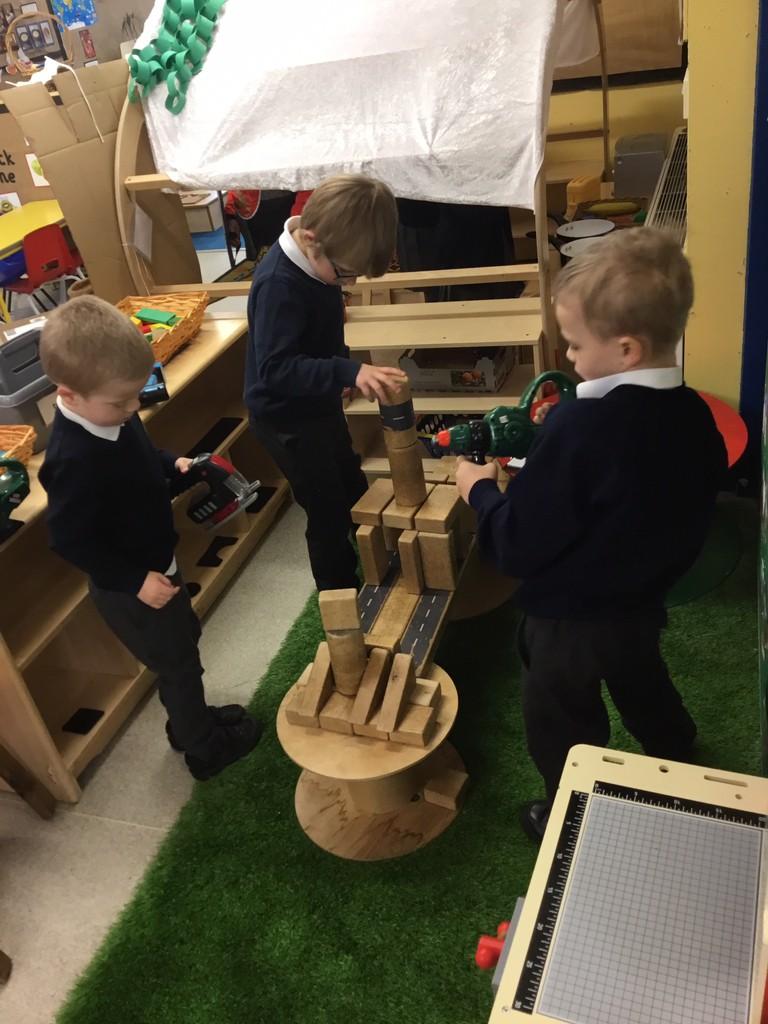
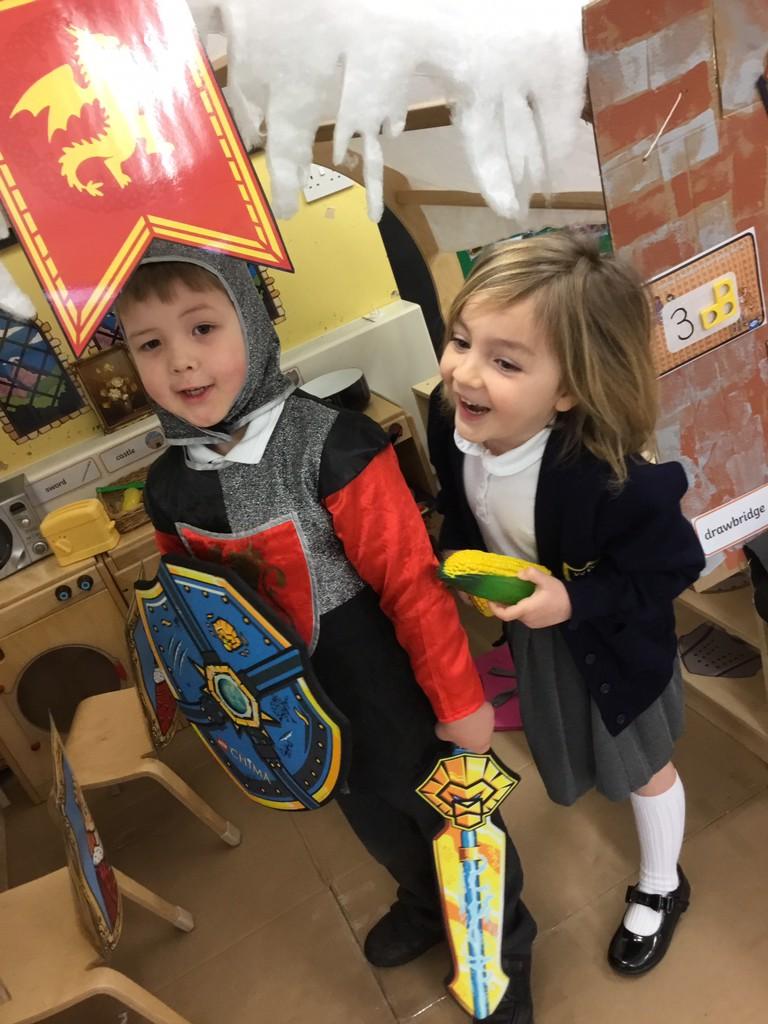
Well-planned, purposeful play is a key way in which children learn through enjoyment and challenge. Through play, children can practise and build up ideas, concepts and skills. They can take risks and make mistakes which is an important part of learning and development as this helps children to assess, problem solve and bounce back after difficulties faced. They learn to work together with their peers and develop effective communication, imagination and creative skills.
Communication is at the forefront of play. Children work together, support each other, assess one another’s engagements in activities and investigate. Children can be alone, alongside or engaged in cooperative play at different times. In the Foundation Stage we support this by planning and resourcing a challenging environment, supporting children’s learning through planned play activity, extending and supporting children’s spontaneous play and developing children’s language and communication in their play.
As children approach the end of their Reception year they are able to concentrate for longer, work more independently in their environment and are becoming more competent in early reading, writing and maths skills. We prepare them for transition to year one and introduce them to new staff. As children start year one they join Key Stage One.